Asian Games 2026 vs Hangzhou 2022: What’s different this time?
प्रकाशित: 05-09-2026 | 04:16 PM
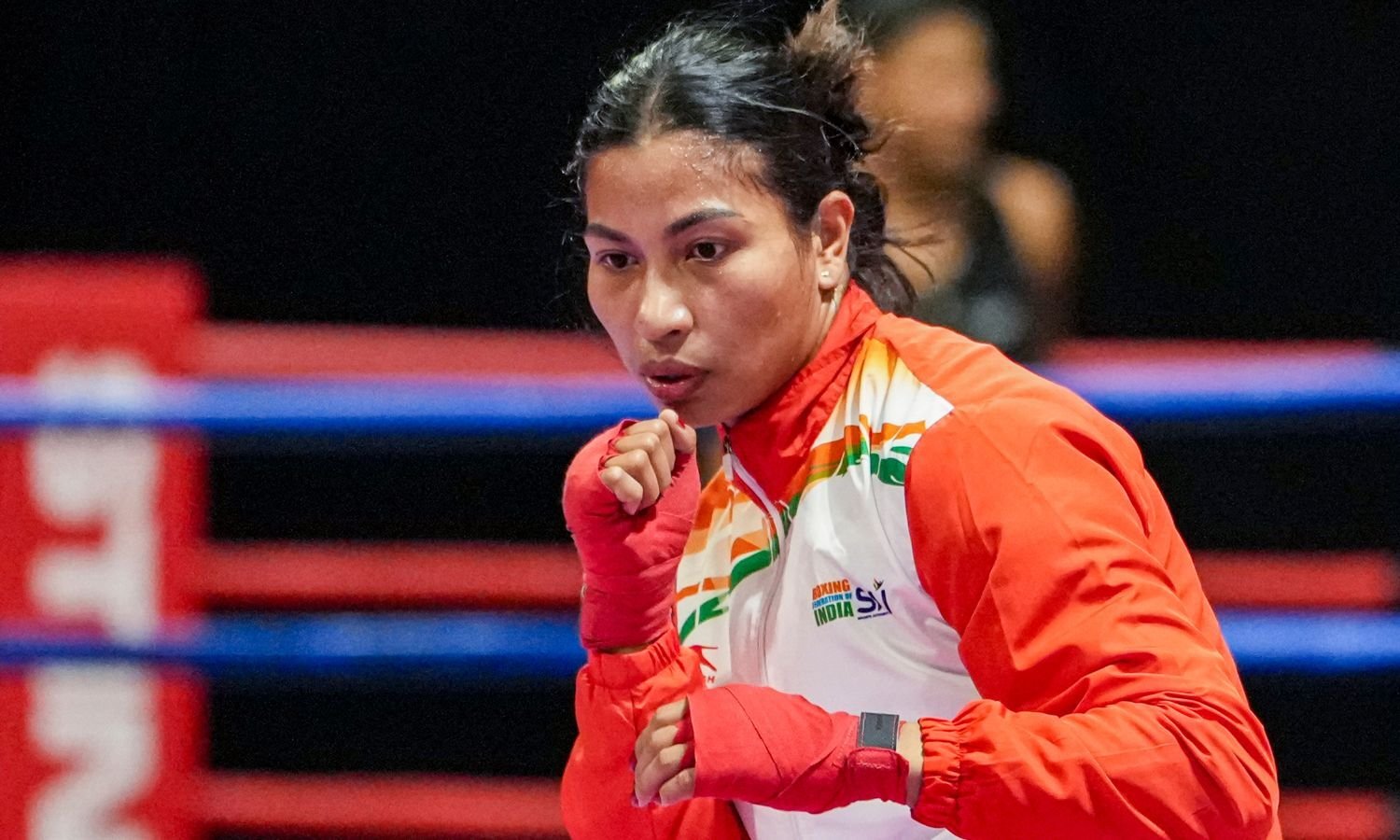
Begin typing your search above and press return to search. Home Asian GamesAsian GamesAsian Games 2026 vs Hangzhou 2022: What’s different this time?The Asian Games are returning to Japan in September, with the Aichi-Nagoya 2026 edition bringing a noticeably different sporting programme from Hangzhou 2022.XLovlina Borgohain credited training camp in Belfast for sharpening her preparations ahead of Glasgow. (Photo credit: )The Asian Games are returning to Japan in September, with the Aichi-Nagoya 2026 edition bringing a noticeably different sporting programme from Hangzhou 2022.The 20th Asian Games, scheduled from September 19 to October 4, will feature 43 sports, 71 disciplines and 469 events, according to the latest programme. Hangzhou 2022 featured 40 sports, 61 disciplines and 481 events. That means Aichi-Nagoya has three more sports and 10 more disciplines on paper, but 12 fewer medal events overall.The difference is partly down to how disciplines have been grouped between the two editions, making a straight comparison of the headline numbers misleading.Four notable additionsFour sports not part of Hangzhou’s programme will feature in Aichi-Nagoya.Surfing will make its Asian Games debut, with men’s and women’s shortboard events. Mixed martial arts (MMA) has also been added to the combat sports programme, alongside padel and teqball.Their inclusion reflects the organisers’ decision to bring newer and fast-growing sports into the continental multi-sport event, alongside established Asian disciplines.What has disappeared?Several sports and disciplines that featured at Hangzhou will not return in Aichi-Nagoya.The most prominent omissions are bridge, chess, Go and Xiangqi (Chinese chess). All four were medal sports at Hangzhou 2022, but none feature in the 2026 programme. Dragon boat and roller skating are also absent.That means Aichi-Nagoya has moved away from some of the mind sports and traditional disciplines that expanded Hangzhou’s programme.Some sports have also been reshaped, meaning not every change is simply an addition or removal.At Hangzhou, 3x3 basketball, beach volleyball, soft tennis and several cycling disciplines appeared as distinct entries in competition listings. In Aichi-Nagoya, some of these are organised within broader sports categories. Basketball, for instance, includes both 5x5 and 3x3, while volleyball includes indoor and beach volleyball. Tennis includes both tennis and soft tennis.The same restructuring is visible in combat sports. Hangzhou lists ju-jitsu and kurash separately, whereas Aichi-Nagoya places them alongside MMA under combat sports.Fewer events, wider programmeThe result is a 2026 Games that is broader in sports but leaner in medal events.Aichi-Nagoya’s 469 events compare with 481 at Hangzhou, even as the number of sports has risen from 40 to 43. The programme therefore, isn’t simply an expansion of the previous edition; it represents a reshuffling of the Asian Games’ competitive priorities.Established Asian sports such as kabaddi, sepak takraw, wushu and karate remain, while newer additions such as surfing, MMA, padel and teqball sit alongside them.For viewers, the biggest difference may ultimately be less about the overall numbers and more about what has changed at the margins: four new sports, the removal of several traditional disciplines and a reorganisation of others have given Aichi-Nagoya a distinctly different sporting mix from Hangzhou 2022.Asian GamesNext StorySimilar Posts